Nest boxes
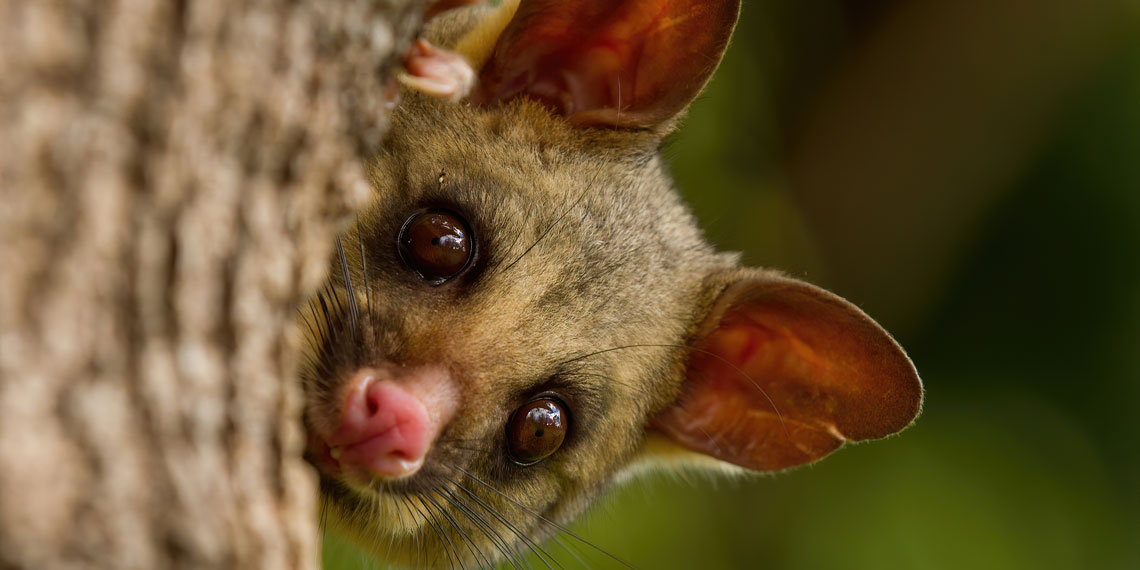
Tree hollows provide critical habitat for native species including birds, sugar gliders, microbats and possums for nesting, roosting and shelter. It can take over 100 years for hollows to form and nest boxes provide habitat where hollows are scarce.
In your backyard
Build your own nest box
If you already have a nest-box at home or want to build your own, visit Backyard Buddies and Birdlife Australia for some great resources.
Where to put your nest box
- An area of native vegetation, ideally with connectivity to other areas of vegetation.
- Presence of feeding trees such as eucalypts.
- Away from busy roads, artificial light spill and domestic animals.
Local success story
In 2023, an Environmental Levy Grant awarded to WildThings NSW to install 113 salvaged natural hollows in back yards in Ku-ring-gai. 55% of hollows inspected has shown signs of use by at least 9 different native fauna species including brushtail possums, ringtail possums, sugar gliders, brown antechinus, micorbats and feathertail glider - also rainnow lorikeet and king parrot. One even sheltered a Greater Broad-nosed Bat, a threatened species in NSW which rarely uses artificial habitat so a very exciting result! Download the full report(PDF, 5MB)
On Council land
Council is committed to the planting of trees and expanding our urban forest, but hollows take a long time to develop. We use nest boxes to increase habitat availability for hollow-dependent fauna.
Smart Schools
We are working with local primary schools to install nest boxes at suitable sites and engage students on the importance of urban forest and habitat. The nest boxes will be supported by curriculum-based education materials and contribute to Council's monitoring program and BioBase records.
The Smart School Nest Box Applications are currently closed and will reopen in Term 1 of 2027. Please subscribe to Smart Schools newsletter to receive information on when program becomes available.
Learn more
- The importance of tree hollows - Office of Environment & Heritage.
Watch